

You aren’t choosing between two acronyms. You’re choosing the level of work you want to own.
A PMP is built for leading one project from start to finish. A PgMP is built for coordinating multiple related projects toward one larger business goal. Both carry PMI weight, both signal leadership, and both can help your career, but they fit different jobs and different stages.
If you’re stuck between them, the simplest way to decide is to compare scope, experience, exam demands, salary direction, and the kind of role you want next.
What PMP and PgMP actually mean in real work
PMP is the certification for project managers. In plain English, that means you are responsible for delivering a specific piece of work. You manage scope, schedule, budget, risk, stakeholders, and the team effort needed to get that project over the line.
PgMP is the certification for program managers. That work is broader. You are not only watching deadlines and deliverables. You are coordinating related projects, handling dependencies across teams, tracking benefits, working through governance, and keeping the whole effort aligned with business strategy.
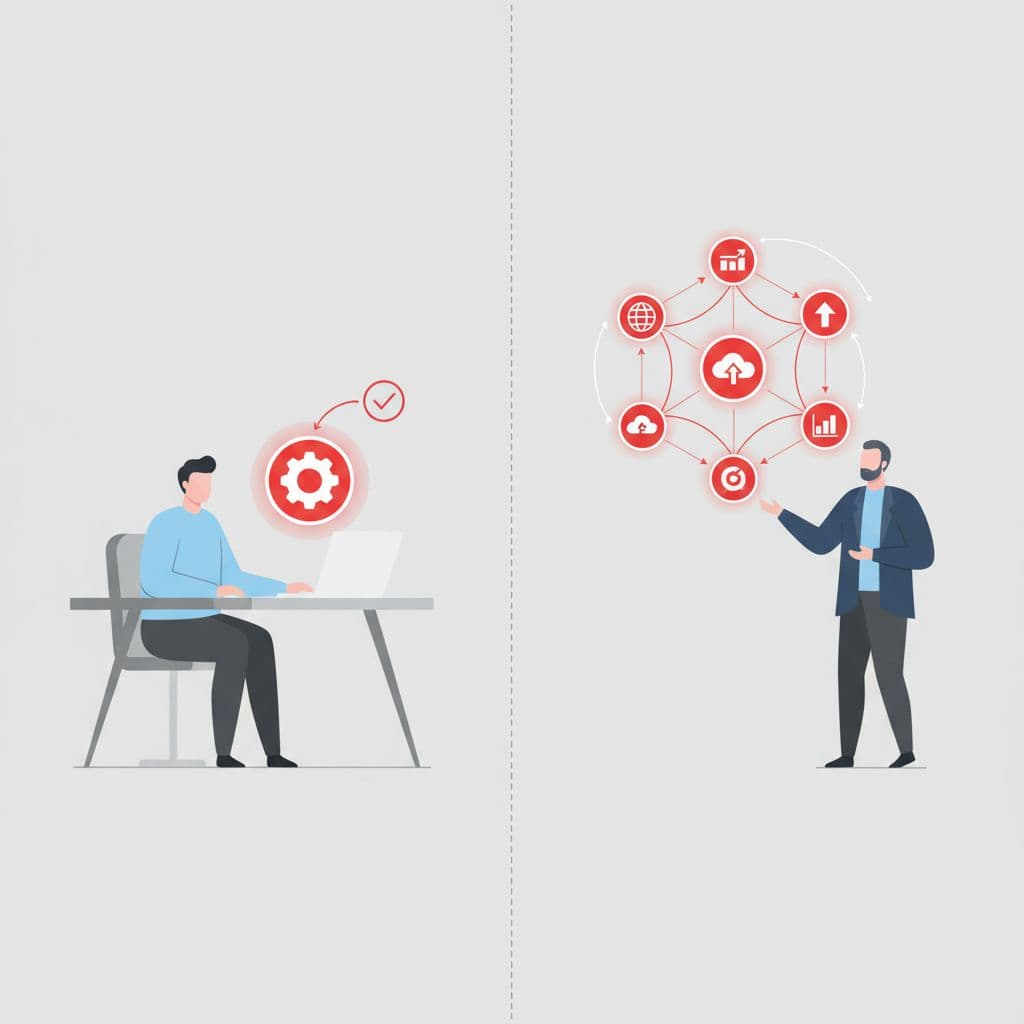
### How project management differs from program management
Think about a software company.
If you lead one feature release, that is project management. Your job is to hit the release target, control changes, manage testing, and keep the team moving.
If you lead the full product rollout, that is program management. Now you are coordinating product development, customer support training, internal enablement, marketing, sales readiness, and post-launch adoption. The question is no longer “Did the feature ship?” It is “Did the combined effort create the business result we needed?”
That is the heart of the PgMP versus PMP decision. One is about successful delivery of a project. The other is about successful coordination of connected work and the outcomes that follow. If you want another quick take, this plain-English PgMP and PMP comparison lands in the same place.
Who PMP is designed for, and who PgMP is designed for
If you lead individual projects, or want to move into stronger project leadership, PMP usually fits you better. It is a solid match when your day is about plans, scope changes, risk logs, stakeholder updates, team coordination, and delivery pressure.
PgMP fits when your work already stretches across multiple initiatives. You may be working with directors, sponsors, PMO leaders, or cross-functional executives. You care about sequencing, benefit realization, governance decisions, and how several projects add up to one strategic outcome. That is not entry-level leadership. It is broader, more senior work.
The biggest differences between PgMP and PMP
The easiest way to compare them is side by side.
| Area | PMP | PgMP |
|---|---|---|
| Core scope | One project | Multiple related projects |
| Main focus | Delivery, execution, control | Coordination, alignment, benefits |
| Decision lens | Project-level tradeoffs | Cross-project and business tradeoffs |
| Stakeholders | Project sponsor, team, customers | Senior leaders, multiple sponsors, cross-functional groups |
| Experience level | Experienced project leader | Senior professional with program experience |
| Exam emphasis | Project delivery knowledge and judgment | Program governance, alignment, and benefits thinking |
| Career stage | Mid-level to senior project leadership | Senior program or enterprise leadership |
If you own one project, PMP fits. If you own several linked projects and the business result behind them, PgMP fits.
Scope, leadership, and decision-making are not the same
With PMP-type work, most decisions live inside the project boundary. You may cut scope, re-sequence work, adjust resources, or negotiate a deadline.
With PgMP-type work, your choices usually affect several projects at once. You may shift funding between workstreams, delay one project to protect another, change rollout order, or escalate governance issues because the business case has changed. You lead more through influence, alignment, and prioritization than through one project plan.
Why PgMP is usually considered harder than PMP
PMP is not easy. It asks for real experience and serious prep.
PgMP is usually harder because the role itself asks more from you. The experience bar is higher. The lens is wider. You need to understand benefits management, governance, dependency management, and strategic alignment, not only execution. That means less “Can you run this project well?” and more “Can you steer complex change across the business?”
How the eligibility and exam requirements compare
The gap gets even clearer when you look at the entry gate. PMP is demanding, but it is built for professionals who have led projects. PgMP is meant for people who already operate at the program level. Requirements can change, so always confirm the current PMI criteria before you apply.
| Requirement area | PMP | PgMP |
|---|---|---|
| Experience base | Project leadership experience | Advanced program leadership experience |
| Education/training | Formal PM education is part of the path for many applicants | Broader leadership history matters more, with a tougher review |
| Application review | Standard PMI application process | Stricter application screening |
| Exam path | One project-focused exam | More selective path, then a program-focused exam |
| Best timing | When you run projects | When you already run programs |
Experience requirements are much stricter for PgMP
This is where many people answer their own question.
PMP fits if you have led projects and want formal proof that you can manage delivery. For many applicants, that also means completing required training first, such as 35 hours of PMP online education.
PgMP expects more than “I’ve worked on lots of projects.” PMI is looking for program-level leadership. That means coordinating related efforts, managing interdependencies, dealing with senior stakeholders, and keeping work tied to business goals. If your experience is still mostly one project at a time, PgMP is probably a stretch right now.
What the exam format tells you about each certification
The exam style mirrors the job.
PMP questions are built around project delivery judgment. You are tested on how you handle change, risk, planning, people issues, ambiguity, and execution under pressure.
PgMP questions push you into broader program thinking. You need to read the situation through governance, benefits, stakeholder alignment, dependency management, and strategic fit. In other words, the PgMP exam is not just a bigger PMP. It tests a different level of responsibility.
Salary, career path, and leadership value: where each certification can take you
A certification does not create salary by itself. Employers pay for scope, track record, industry knowledge, and leadership range. Still, PMP-aligned roles and PgMP-aligned roles often sit in different pay bands because the jobs are different.

Here is the practical market view for the U.S.
| Factor | PMP-aligned roles | PgMP-aligned roles |
|---|---|---|
| Common titles | Project manager, senior project manager, delivery manager | Program manager, senior program manager, transformation leader |
| Broad U.S. salary pattern | Often about $95,000 to $140,000 | Often about $125,000 to $180,000+ |
| What pushes pay higher | Industry depth, project size, client-facing delivery, team complexity | Enterprise scope, cross-functional change, executive exposure, business impact |
| Leadership ceiling | Strong for delivery leadership | Stronger for enterprise change and PMO leadership |
Which roles usually align with PMP holders
PMP usually supports roles where you are judged on delivery discipline. That includes project manager, senior project manager, delivery manager, project lead, and some PMO analyst roles.
If your value is keeping one initiative on track, managing stakeholders well, and turning messy work into a completed result, PMP helps prove that. It tells employers you can run a project with structure, not hope.
Which roles usually align with PgMP holders
PgMP usually lines up with program manager, senior program manager, transformation leader, strategic PMO roles, and portfolio support leadership.
These roles are less about one finish line. They are about coordinating connected work, balancing priorities across teams, and making sure the organization gets the benefit it expected. That is a different kind of pressure, and a different kind of credibility.
Where PgMP adds more value for executives and senior leaders
Executives care about outcomes, risk concentration, timing, and organizational value. That is where PgMP starts to matter more.
If your job touches finance, operations, product, HR, and customer teams at the same time, you are already speaking the language of program management. You are not only asking whether work shipped. You are asking whether the combined change was worth it. You can see that bias in real career conversations too, including this community discussion on PgMP and PMP paths.
Should you get PMP first, PgMP later, or both?
For most people, PMP first is the cleaner path. It builds your delivery base, your PMI vocabulary, and your confidence with structured project leadership. Then, if your role expands into programs, PgMP becomes a logical next step.
That said, you do not need to collect certifications like trophies. Match the credential to the work you do now, or the work you are actively moving into. If PMP is the next move, many professionals look at options like Brain Sensei’s self-paced PMP exam prep course when they want structured prep without a fixed class schedule.
When it makes sense to pursue PgMP after PMP
This path makes sense when you are growing from senior project manager into program leadership. PMP gives you a strong base in delivery, stakeholder management, and PMI-style decision-making.
Once your work shifts from one project to many connected efforts, PgMP starts to make more sense. It builds on the foundation rather than replacing it.
Who should consider holding both certifications
Some careers sit right in the overlap. PMO leaders, transformation office professionals, consultants, and leaders in large enterprise environments often move between project delivery and program oversight.
If you wear both hats, both credentials can help. One shows you can control delivery. The other shows you can align delivery to strategy. That combination is useful when your role keeps changing shape.
Conclusion
The real answer in the PgMP versus PMP choice is not about prestige. It is about fit.
If your work has one charter, one team, and one finish line, PMP is usually the better move. If your work connects multiple projects to one business outcome, PgMP is the stronger match.
Choose the certification that fits your current scope, your real experience, and the level of leadership you want next. That is the one that will help you most.